Spark of Caution: Unveiling the Check Engine Light
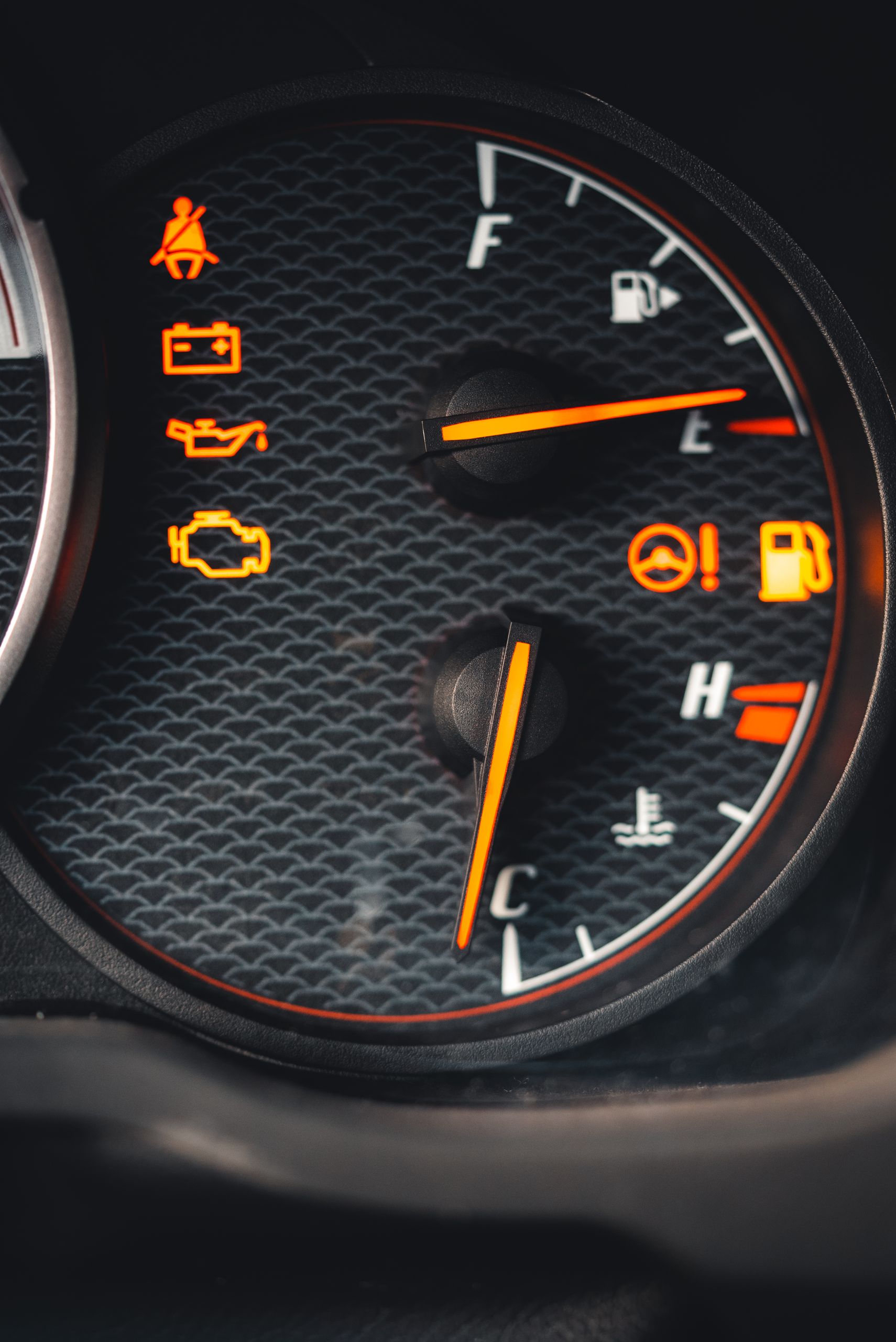
Every driver has seen it—a sudden flash of the check engine light that sends a jolt of uncertainty through even the most seasoned motorist. This unassuming indicator holds a wealth of diagnostic insights, reflecting the intricate balance of your vehicle’s health. In this introduction, we delve into why this small light is so significant and how understanding its message can prevent further damage.
When your check engine light illuminates, it might be hinting at one or more underlying issues, such as sensor malfunctions, fuel system inefficiencies, or problems in the emissions process. Recognizing the importance of this signal is essential for maintaining your vehicle’s performance and longevity.
What you’ll learn:
Warning signs you shouldn’t ignore
Basic steps to confidently diagnose the issue
When to take proactive measures to protect your engine
This guide offers practical tips and clear explanations designed to help you troubleshoot effectively. Whether you drive through bustling city streets or along rural routes, knowing when to address these indicators ensures your vehicle’s reliability and your peace of mind.
Top 5 Common Reasons Your Check Engine Light Comes On
Loose or Damaged Gas Cap
A gas cap that is improperly secured or worn can cause fuel vapor to leak and trigger your vehicle’s sensors. Before heading to the shop, ensure the cap is tightened properly to rule out this simple but common issue.
Malfunctioning Oxygen Sensor
An aging or faulty oxygen sensor disrupts the air-fuel mixture monitoring, affecting engine performance. This sensor, which helps manage emissions, can fail over time and lead to increased fuel consumption and reduced efficiency.
Failing Catalytic Converter
A compromised catalytic converter struggles to convert harmful emissions into less toxic gases. This failure can not only set off the check engine light but may also reduce engine performance, particularly during local high-demand driving conditions such as in Oklahoma City.
Issues with Spark Plugs and Ignition Coils
Worn spark plugs or defective ignition coils can lead to engine misfires. Regular inspection and timely replacement ensure smoother combustion and help prevent sensor-triggering misfire issues.
Problems with Engine Sensors or Wiring
Modern vehicles rely on numerous sensors and electronic systems. Deteriorated wiring or malfunctioning sensors can miscommunicate engine status, resulting in a persistent check engine signal.
Act Fast: A Step-by-Step Guide When the Check Engine Light Activates
When your dashboard suddenly lights up with that ominous check engine alert, it’s time to act decisively. Follow these steps to safely assess the situation and decide whether to pull over or proceed with caution:
Safety First:Gradually reduce speed and pull off the road onto a safe, level surface.
Turn off unnecessary accessories to prevent further strain on the engine.
Conduct a Visual and Sensory Check:Listen for unusual engine sounds or excessive vibrations that indicate internal issues.
Check for any obvious fluid leaks under the vehicle.
Check Your Dashboard:Note any accompanying warning messages, such as low oil pressure or overheating.
If the engine temperature is rising or you smell burning, it’s best to halt your journey immediately.
Determine the Urgency:If the light is steady, you might cautiously continue driving to the nearest repair shop, especially in bustling regions like Oklahoma City.
For blinking lights or severe symptoms, stop driving and call for professional assistance right away.
By following this step-by-step guide, you can make informed decisions that safeguard both your vehicle and your personal safety.
Must-Stop Moments: Recognize the Red Flags
Deciding when to halt your journey immediately involves understanding key warning signs from your vehicle’s check engine light. If the signal is flashing or remains illuminated after brief adjustments, it’s a clear indicator of an underlying issue that could jeopardize your safety. Factors requiring immediate attention include abnormal engine noises, severe vibrations, or a sudden loss of power.
Consider stopping as soon as possible if you notice:
Flashing Check Engine Signal: This might indicate a critical misfire or an imminent risk of engine damage.
Irregular Driving Sensations: Unusual vibrations, hesitations in acceleration, or harsh sounds can be indicators of internal complications.
Dashboard Overheating Alerts: If the temperature gauge approaches critical levels, continuing to drive can further strain engine components.
For drivers in areas like Oklahoma City, where traffic and weather conditions can add extra stress, these tips become even more valuable. By promptly identifying and acting on these symptoms, you not only prevent extensive damage to your vehicle but also ensure your and others’ safety on the road. Always err on the side of caution—stop driving, inspect, and resolve the issue before resuming your journey.
What Does a Steady vs. Flashing Check Engine Light Mean?
A steady check engine light typically signals a minor issue that requires inspection, while a flashing light indicates a more serious problem potentially affecting engine performance. If your light begins flashing, it’s essential to reduce speed and avoid heavy acceleration until you can safely stop, as continuing to drive may cause further damage.
Spark of Caution: Unveiling the Check Engine Light