Unraveling the Oil Change Puzzle

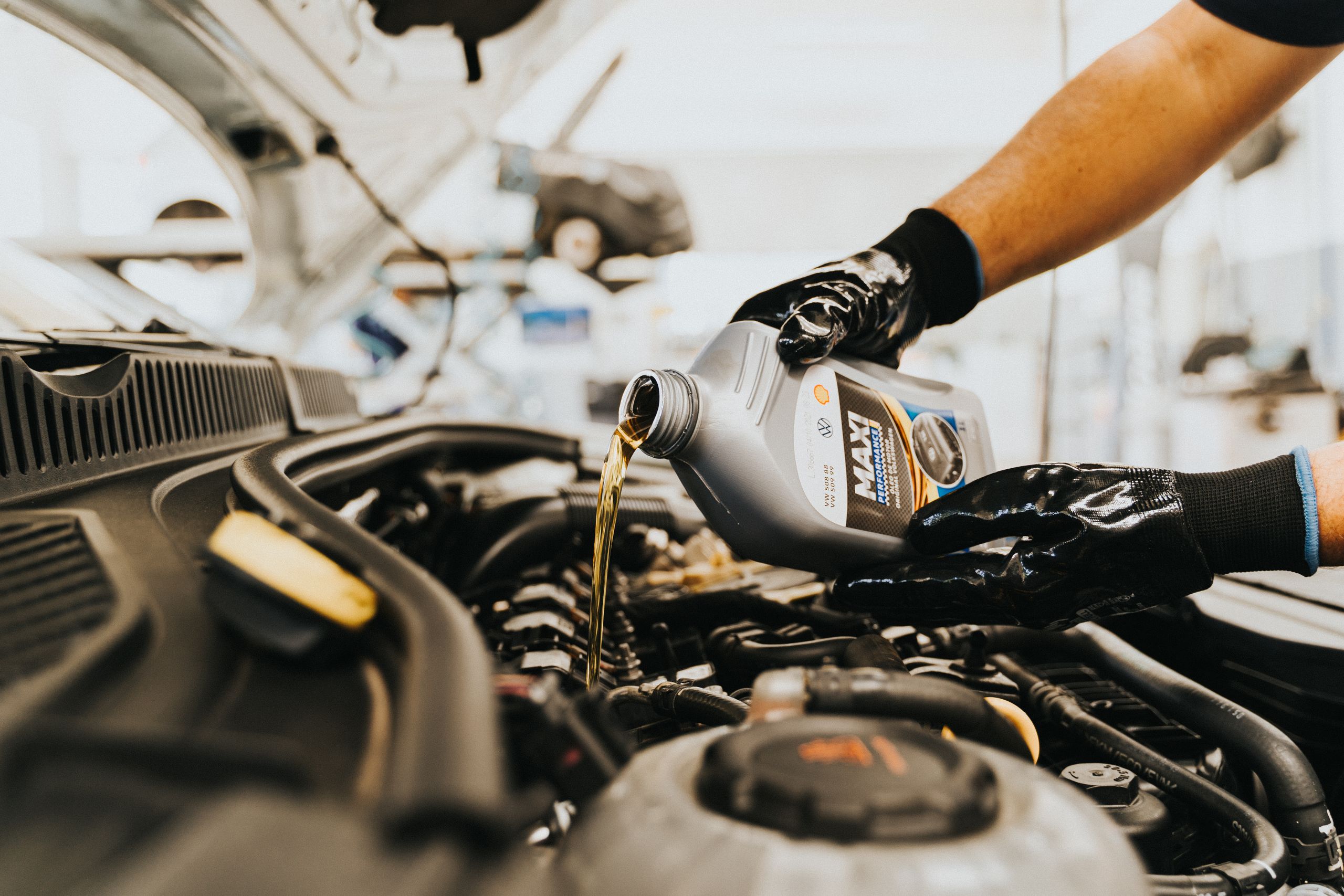
Close-up of a mechanic pouring engine oil into a car engine in an auto repair shop.
Unraveling the Oil Change Puzzle

Welcome to WordPress. This is your first post. Edit or delete it, then start writing!

Unlocking the Secrets of Regular Oil Changes

Regular oil changes are a crucial part of keeping your car’s engine running smoothly and efficiently. In this section, we’ll explore why maintaining proper oil health is key to extending your vehicle’s lifespan and ensuring optimal performance on every drive. Understanding the impact of worn oil on engine components can help prevent costly repairs and unexpected breakdowns.
You’ll learn the following:

How contaminated oil affects engine efficiency
The role of oil in lubrication and cooling under high-performance conditions
Tips for recognizing when your vehicle needs an oil change, whether you’re cruising through Oklahoma City traffic or embarking on a long road trip

This guide provides actionable insights into the basics of oil maintenance, offering clear explanations of industry-relevant concepts. By breaking down technical jargon and focusing on practical advice, we aim to empower you with the knowledge to make informed decisions about your car’s care. As you read on, you’ll not only discover the importance of timely oil changes but also gain strategies to maintain a healthy engine in any condition.

Unraveling the Oil Change Puzzle

Oil change frequency goes beyond a set number on your owner’s manual it’s an equation influenced by multiple factors. For example, if you frequently navigate stop-and-go traffic or drive in urban settings like Oklahoma City, your engine endures more stress and may require oil changes more often. The type of oil used is equally important; while synthetic oils offer extended protection and can handle higher temperatures, conventional oils might need more frequent monitoring and replacement. Additionally, your vehicle’s design plays a significant role. Modern engines with tighter tolerances often benefit from more regular oil checks compared to older or less complex systems.
Key considerations include:
Daily mileage and driving conditions
The quality and type of oil used
Vehicle engine design and age
Assessing these factors helps you tailor a maintenance schedule that keeps your engine running at peak performance while protecting against premature wear. By understanding how your driving habits, oil choice, and vehicle type interact, you can make informed decisions about your oil change intervals, ultimately extending your engine’s longevity and ensuring a smoother ride.

t

O
Step-by-Step Guide to Scheduling Your Oil Change

When it comes to ensuring your engine remains in top shape, knowing when to change your oil is crucial. Follow these clear steps to master both mileage-based and time-based oil change recommendations:

Assess Your Driving Habits – Begin by noting your annual mileage and typical driving conditions. For example, if you drive extensively through urban areas like Oklahoma City, your engine may require more frequent changes.
Review Manufacturer Guidelines – Check your vehicle’s manual for recommended oil change intervals, which typically range between 3,000 to 7,500 miles or every 3 to 6 months. Adjust these suggestions based on your driving environment and the oil type used.
Monitor Engine Performance – Look out for signs of oil degradation such as a drop in performance or engine noise. Regularly check your oil’s color and consistency as part of your routine maintenance.
Document Your Schedule – Keep a detailed log of each oil change including dates, mileage, and any observations. This record will serve as a reliable guide for future service.

By following these practical steps, you’ll maintain your engine’s efficiency and extend its life, ensuring a smooth drive every time.

Engine Efficiency Alert: The Price of Neglecting Your Oil

Skipping regular oil changes can spell disaster for your engine’s longevity and overall performance. Over time, oil becomes contaminated with dirt, debris, and engine byproducts, causing increased friction and subsequent wear on vital components. This not only leads to diminished fuel efficiency but also puts extra pressure on your engine, making it work harder under the strain. As efficiency drops, you may notice sluggish acceleration and reduced power output, significantly impacting your daily driving experience.
Key issues include:

Increased Component Wear: Contaminants can erode metal surfaces, leading to premature engine wear.
Decreased Lubrication: Worn oil fails to provide the necessary lubrication, resulting in higher operating temperatures.
Overall Reduced Performance: With contaminants circulating in your engine, the efficiency of your mechanical systems declines.

For drivers in regions like Oklahoma City, where hot summers and dusty conditions prevail, this neglect can be even more pronounced. Prioritizing routine oil changes not only safeguards engine health but also ensures smoother operation and lower long-term maintenance costs. Consider establishing a regular maintenance schedule to avoid these pitfalls and keep your vehicle running at its best.

Frequently Asked Questions About Oil Changes

Q: When Should I Change My Oil?  
A: Most vehicles benefit from an oil change every 3,000 to 5,000 miles, though modern engines may allow longer intervals. Monitor your oil level and quality regularly, especially if you drive in stop-and-go traffic or extreme temperatures common in Oklahoma City.
Q: What’s the Difference Between Conventional and Synthetic Oil?  
A: Conventional oil is refined from crude oil and is generally less expensive, suitable for standard driving conditions. Synthetic oil, however, offers improved performance under high temperatures and severe driving conditions, providing enhanced engine protection in urban areas and fluctuating weather.
Q: Does My Driving Style Affect the Frequency?  
A: Absolutely. Aggressive driving, frequent short trips, or city commuting can accelerate oil degradation, necessitating more frequent oil changes to maintain engine performance.
Q: Are There Additional Signs I Need an Oil Change?  
A: Yes, if you notice dark, gritty oil on the dipstick or engine noise, it’s a clear signal for maintenance.
Q: How Can I Be Sure I’m Using the Right Oil?  
A: Always refer to your owner’s manual for oil grade recommendations and consult with a trusted auto technician for personalized advice based on your driving conditions.

Wrapping Up: Your Roadmap to Engine Longevity

In summary, proper oil change intervals are crucial for maintaining optimal engine performance and preventing costly repairs down the line. Regular oil changes help in removing contaminants, ensuring smooth lubrication, and extending the life of your engine. By understanding these benefits, you’ll be better equipped to keep your vehicle in prime condition, whether you’re navigating busy Oklahoma City streets or cruising on long highways.
Key takeaways include:

Recognizing the importance of scheduled oil changes
Understanding how fresh oil improves engine efficiency
Monitoring performance cues to catch early signs of engine wear

Next steps for a healthier engine are simple: maintain a consistent service routine, use quality oil, and keep track of mileage with practical logs. Additionally, pay attention to your vehicle’s behavior if you notice unusual sounds or performance dips, it might be time for a check-up.
Taking these proactive steps not only safeguards your vehicle but also contributes to a smoother, more reliable driving experience. Embrace this roadmap to engine longevity and drive with confidence, knowing you’re taking care of one of your most valuable assets.

Similar Posts

Leave a Reply

Your email address will not be published. Required fields are marked *